Swimming Facility Guide: Everything You Need to Know Before You Dive In
Swimming Facility Guide: Everything You Need to Know Before You Dive In
Whether you're a competitive athlete, a casual lap swimmer, or a parent looking for a safe place for your kids to learn, a quality swimming facility can transform your health, fitness, and lifestyle. From Olympic-sized competition pools to community leisure centers, understanding what makes a great swimming facility helps you make the best choice for your goals.
What Is a Swimming Facility?
A swimming facility is any structured environment designed to provide safe, organized aquatic activities. These range from indoor heated pools and outdoor recreational complexes to hydrotherapy centers and competitive aquatic arenas. Modern swimming facilities often include multiple pools, locker rooms, sauna areas, and fitness zones — making them true all-in-one wellness destinations.
Types of Swimming Facilities
1. Public Community Pools
Operated by local municipalities, public pools are affordable and accessible. They typically offer open swim sessions, lessons, and water aerobics classes. These are ideal for families and beginners.
2. Private Health Club Pools
Attached to gyms or wellness centers, private club pools tend to be less crowded and better maintained. Members enjoy priority lane access and premium amenities.
3. Olympic and Competition Facilities
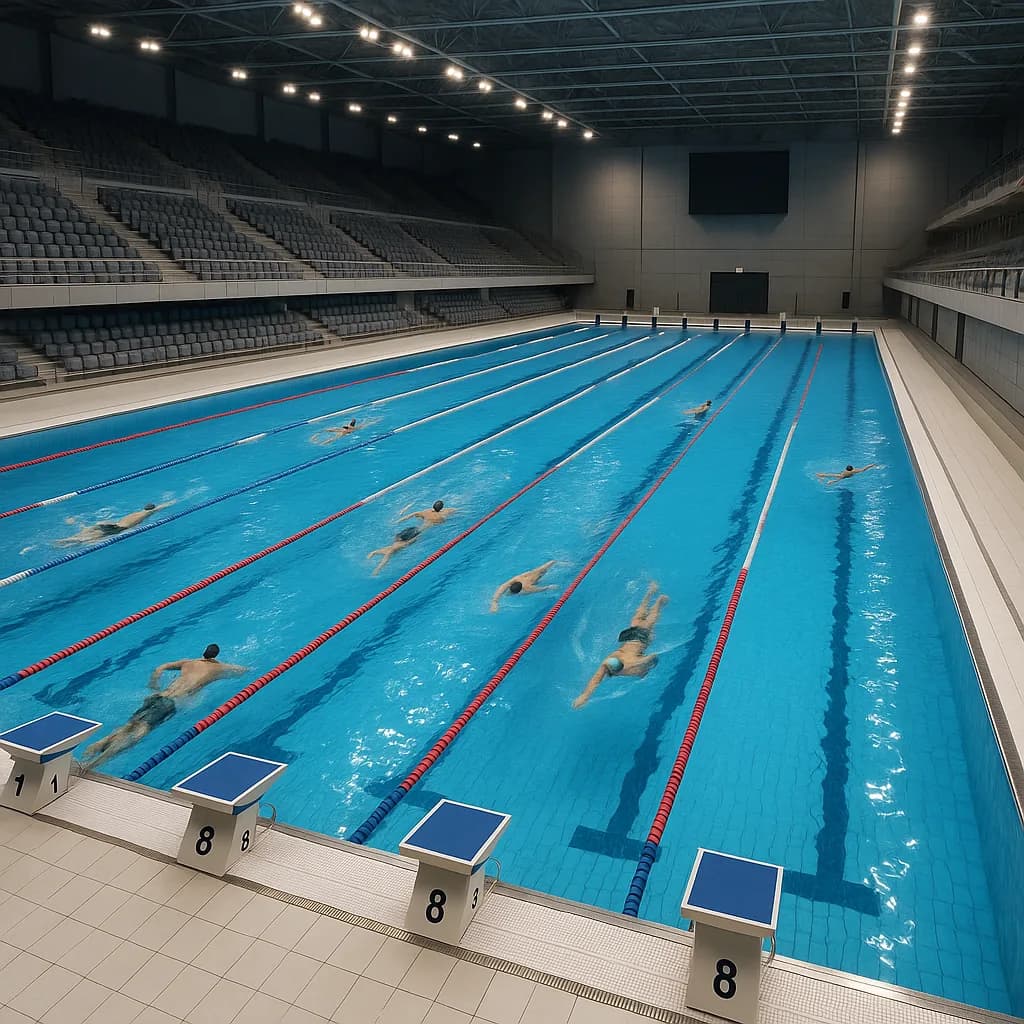
Designed to meet international standards (50-meter pools, electronic timing, underwater cameras), these facilities host competitive meets and are often attached to universities or sports institutes. Just as elite athletes like Naomi Osaka: The Champion Who Changed Tennis Forever train in world-class sports venues, competitive swimmers need top-tier aquatic infrastructure to perform at their best.
4. Therapy and Rehabilitation Pools
Warm-water therapy pools are used for physical rehabilitation, hydrotherapy, and low-impact exercise. These are particularly valuable for seniors, injury recovery patients, and individuals with arthritis.
5. Waterparks and Leisure Centers
More entertainment-focused, these facilities feature water slides, wave pools, lazy rivers, and splash zones — perfect for family recreation.
Key Features to Look for in a Swimming Facility
Choosing the right facility goes beyond just finding the nearest pool. Here's what matters most:
- Water Quality: Look for facilities that use modern filtration and UV sanitation systems alongside controlled chlorine levels.
- Safety Standards: Certified lifeguards, clear depth markings, anti-slip surfaces, and AED equipment are non-negotiable.
- Lane Availability: Dedicated lap lanes prevent congestion and allow serious swimmers to train without interruption.
- Accessibility: Ramps, zero-entry options, and disability-friendly amenities ensure everyone can participate.
- Qualified Instructors: Swimming lessons taught by certified coaches improve technique and safety dramatically.
- Facility Hours and Membership Costs: Flexible schedules and transparent pricing make a big difference in long-term commitment.
Health Benefits of Regular Swimming
Swimming is one of the most complete forms of exercise available. Here's why fitness experts consistently recommend aquatic workouts:
- Full-Body Workout: Swimming engages your core, arms, legs, and back simultaneously.
- Low-Impact Exercise: The buoyancy of water reduces joint stress, making it ideal for all ages and fitness levels.
- Cardiovascular Health: Regular swimming lowers blood pressure, improves lung capacity, and strengthens the heart.
- Mental Health Benefits: Aquatic environments reduce cortisol levels and promote relaxation.
- Calorie Burning: A 30-minute moderate-intensity swim can burn 200–400 calories depending on stroke and intensity.
Much like how elite athletes across multiple sports disciplines maintain rigorous physical conditioning — from football stars tracked in the FIFA World Cup 2026 Qualifiers Table: Complete Guide to Every Confederation's Race to NBA players profiled in dedicated sports analyses — swimmers benefit enormously from consistent, structured training environments.
Swimming Safety: What Every Visitor Must Know
Even the most modern facility is only as safe as the behavior of its users. Follow these fundamental safety rules:
- Never swim alone, even in supervised facilities.
- Always shower before entering the pool.
- Follow posted depth and diving rules strictly.
- Supervise children at all times, even in shallow areas.
- Learn CPR and basic water rescue techniques if you visit pools regularly.
How to Choose the Right Swimming Facility for You
Start by defining your primary goal — competitive training, casual fitness, family fun, or rehabilitation. Then evaluate facilities based on proximity, membership cost, cleanliness, and coaching quality. Request a trial visit before committing to a membership.
If an accident ever occurs at a facility due to negligence — a slip on an unmarked wet floor or a diving injury caused by improper signage — understanding your legal rights matters. Resources like a Car Accident Lawyer: How to Choose the Right Attorney and Maximize Your Claim highlight how legal guidance applies broadly to personal injury situations, including those that happen at sports and recreational facilities.
Final Thoughts
A great swimming facility is more than just a pool — it's a community hub for health, fitness, and recreation. By understanding what to look for and how to use these facilities safely, you can maximize the physical and mental rewards that aquatic exercise offers. Dive in, swim strong, and make every lap count.
Share this article
Comments