Amber Alert: How America's Most Powerful Child Safety System Works
Amber Alert: How America's Most Powerful Child Safety System Works
When your phone suddenly blares a loud, jarring notification in the middle of the day, chances are it's an Amber Alert — one of the most important public safety tools ever created. These alerts have helped recover thousands of missing children across the United States and beyond. But how does the system actually work, and what should you do when one is issued?
What Is an Amber Alert?
The Amber Alert system is a voluntary partnership between law enforcement agencies, broadcasters, transportation agencies, and wireless carriers that delivers urgent bulletins when a child abduction has been confirmed. The name honors Amber Hagerman, a 9-year-old girl abducted and murdered in Arlington, Texas, in 1996. Her tragic death inspired local broadcasters and law enforcement to develop a coordinated emergency response system.
Launched nationally in 2003, the program is coordinated by the U.S. Department of Justice and has since been adopted in all 50 states, the District of Columbia, Puerto Rico, and many international partners including Canada, Mexico, and European nations.
How the Amber Alert System Works
Not every missing child case triggers an Amber Alert. Law enforcement must meet specific criteria before activating the system:
- Law enforcement confirms a child abduction has occurred
- The child is at serious risk of injury or death
- There is sufficient descriptive information about the child, suspect, or vehicle to believe an alert will help
- The child is 17 years old or younger
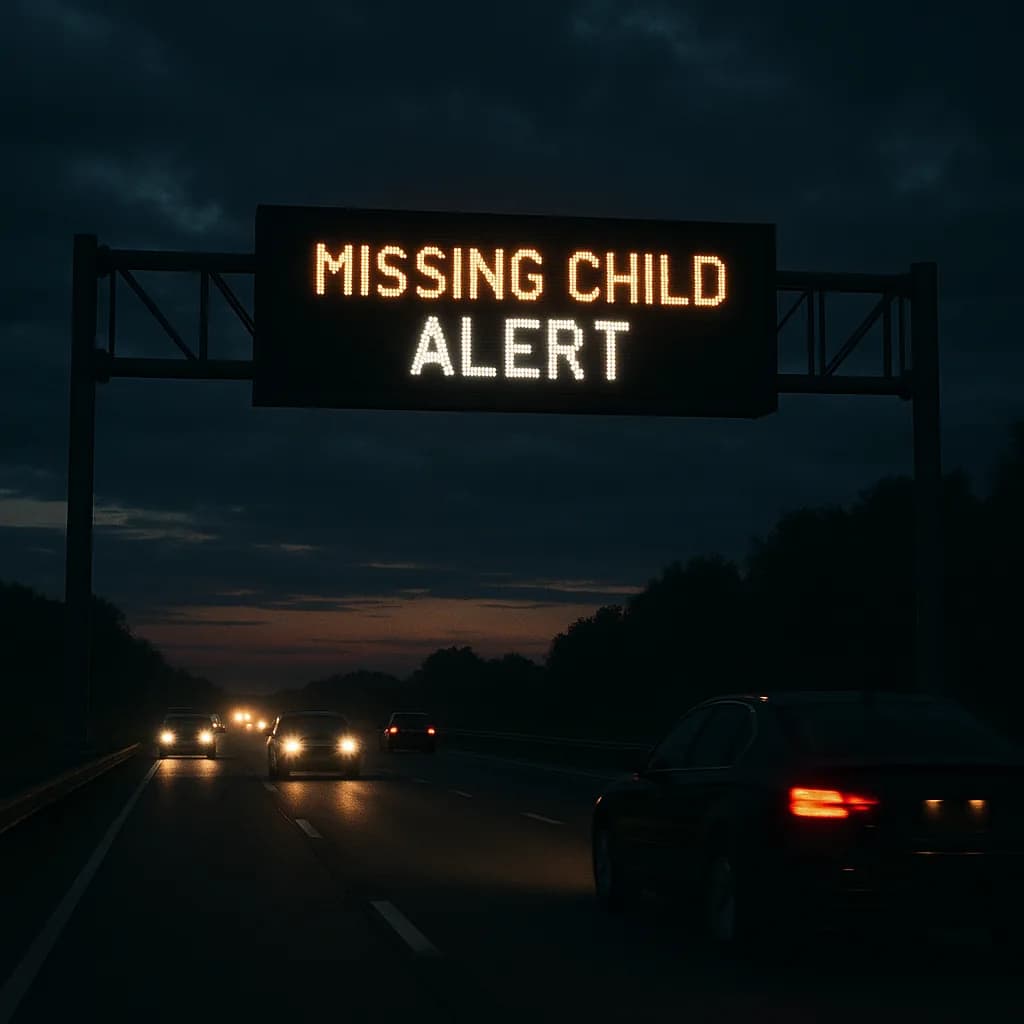
Once these criteria are met, alerts are broadcast through radio and television stations, highway digital signs, the Emergency Alert System (EAS), and Wireless Emergency Alerts (WEA) sent directly to cell phones within the affected geographic area.
Just as emergency systems evolve with technology, public safety tools increasingly rely on digital infrastructure. Platforms like those discussed in FoxOne: The Complete Guide to This Powerful All-in-One Platform demonstrate how integrated digital solutions can support rapid, large-scale communication across multiple channels — a principle central to how modern Amber Alerts reach millions of people simultaneously.
The Impact and Effectiveness of Amber Alerts
Since the national program launched, Amber Alerts have been credited with helping recover more than 1,100 children across the United States. The system works because it mobilizes the public instantly, turning millions of ordinary citizens into a widespread network of eyes and ears.
Studies show that a significant percentage of successful recoveries happen because a regular citizen spotted a vehicle, license plate, or description matching the alert and called law enforcement. This community-based vigilance is the system's greatest strength.
Public health emergencies, like the case covered in Jake Rosmarin Hantavirus Quarantine: What You Need to Know About This Alarming Case, remind us that rapid public notification systems save lives — whether the threat is a virus or a missing child. In both scenarios, timely information distribution is everything.
What to Do When You Receive an Amber Alert
Receiving an Amber Alert comes with a civic responsibility. Here's what you should do:
- Read the alert carefully — note the child's description, suspect description, and vehicle information
- Stay alert while driving or in public — scan vehicles matching the description
- Never attempt to intervene directly — if you spot a match, call 911 immediately
- Share the alert on your social media platforms to expand reach
- Do not ignore or dismiss the notification — even a fleeting glance at the right moment could save a life
Many people silence their phones or disable emergency alerts, which reduces the system's effectiveness. Keeping your Wireless Emergency Alerts enabled is one of the simplest ways to contribute to child safety.
Emergency Alerts and Broader Public Safety
Amber Alerts are part of a broader ecosystem of public emergency notifications. Similar systems exist for natural disasters — for example, understanding a Flash Flood Warning: Everything You Need to Know to Stay Safe is just as critical during severe weather events. These systems share a common philosophy: rapid, geographically targeted information saves lives.
Amber Alert Internationally
The Amber Alert model has gone global. Countries including France, Greece, Australia, and Malaysia have implemented similar child abduction emergency systems. The International Centre for Missing & Exploited Children (ICMEC) has worked to expand these programs worldwide, recognizing that child safety is a universal priority with no borders.
Conclusion
The Amber Alert system represents one of the most successful public-private partnerships in modern public safety history. Every alert issued is a race against time, and an informed, engaged public is the most powerful tool law enforcement has. The next time your phone sounds that urgent alarm, remember — your awareness and action could be the difference between tragedy and a child returning home safely.
Share this article
Comments