Neil Gorsuch: A Deep Dive Into the Supreme Court Justice Shaping American Law
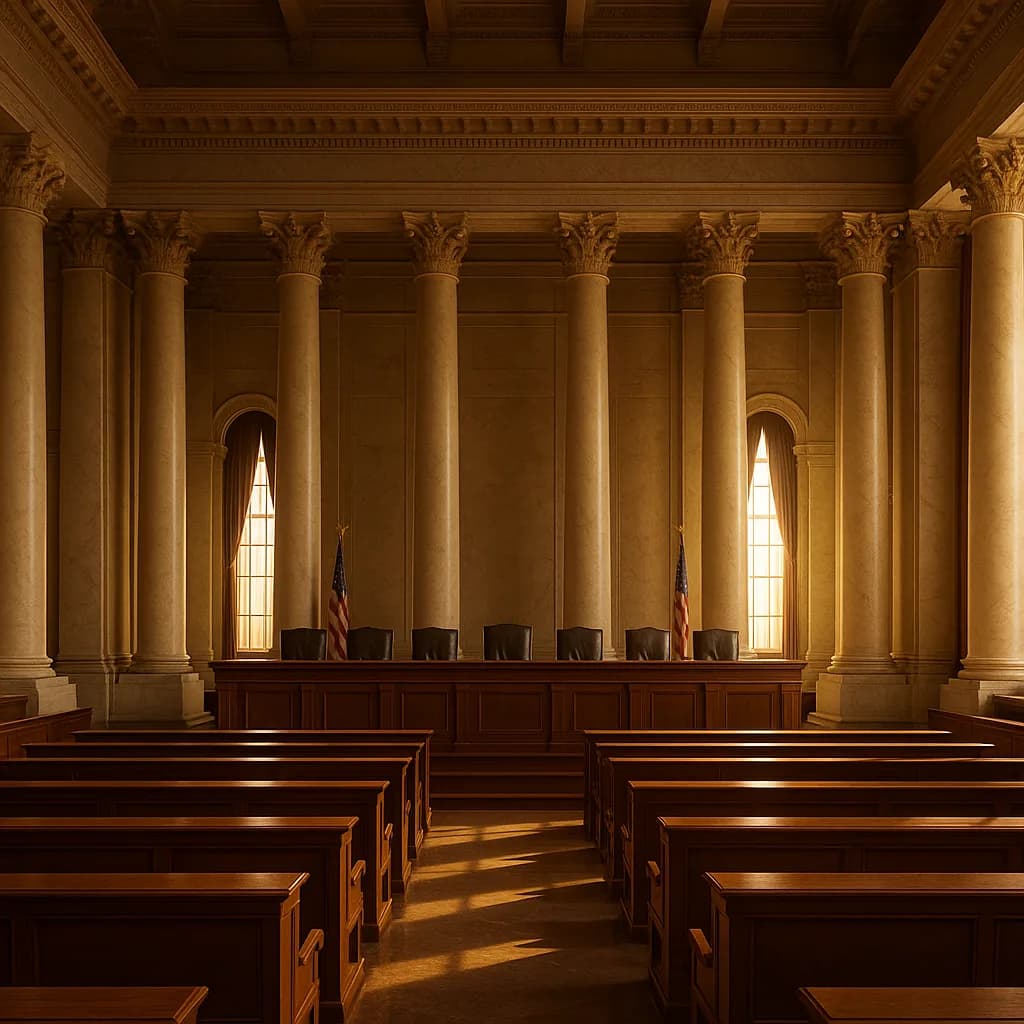
Neil Gorsuch: A Deep Dive Into the Supreme Court Justice Shaping American Law
Neil Gorsuch is one of the most consequential figures in modern American jurisprudence. Appointed to the U.S. Supreme Court by President Donald Trump in 2017, Gorsuch has consistently challenged legal norms, championed textualism, and delivered opinions that continue to reshape constitutional interpretation. Whether you're a law student, a political observer, or simply a curious citizen, understanding Gorsuch is essential to understanding today's Supreme Court.
Early Life and Education
Born on August 29, 1967, in Denver, Colorado, Neil McGill Gorsuch grew up in a politically active household. His mother, Anne Gorsuch Burford, served as Administrator of the Environmental Protection Agency under President Ronald Reagan — the first woman to hold that role.
Gorsuch attended Georgetown Preparatory School before earning his undergraduate degree from Columbia University. He then graduated from Harvard Law School, where he was a classmate of Barack Obama. He later earned a Doctor of Philosophy in legal philosophy from Oxford University, studying under renowned legal theorist John Finnis — a formative experience that deeply influenced his approach to natural law and originalism.
Career Before the Supreme Court
After law school, Gorsuch clerked for two Supreme Court justices: Byron White and Anthony Kennedy. He then spent time in private practice before joining the Department of Justice during the George W. Bush administration, working in the Office of Legal Counsel.
In 2006, President Bush appointed him to the Tenth Circuit Court of Appeals, where he served for over a decade. His tenure on the Tenth Circuit established him as a principled conservative jurist with a flair for clear, accessible writing — a quality that won admirers across ideological lines.
The Supreme Court Nomination
When Justice Antonin Scalia died in February 2016, President Obama nominated Merrick Garland to fill the vacancy. The Republican-controlled Senate refused to hold hearings, leaving the seat open. After Trump's election, Gorsuch was nominated in January 2017 and confirmed by the Senate in April 2017, following a contentious battle that included the elimination of the filibuster for Supreme Court nominees.
For those tracking the intersection of law, politics, and public accountability, resources like SCOTUSblog: The Ultimate Guide to America's Most Essential Supreme Court Resource offer invaluable real-time analysis of how justices like Gorsuch are shaping American law.
Judicial Philosophy: Textualism and Originalism
Gorsuch is a committed textualist and originalist, a philosophy he inherited and expanded from his mentor Justice Scalia. He believes courts should interpret laws according to the plain meaning of the text as it was understood when enacted — not according to legislative intent or evolving societal standards.
This philosophy leads to some surprising outcomes. In Bostock v. Clayton County (2020), Gorsuch authored the majority opinion holding that Title VII of the Civil Rights Act of 1964 protects employees against discrimination based on sexual orientation and gender identity — a landmark ruling that stunned conservatives but reflected strict textual analysis.
Landmark Rulings and Legal Legacy
Gorsuch's opinions span a remarkable range of legal terrain:
- Native American Rights: In McGirt v. Oklahoma (2020), he wrote a historic majority opinion affirming that much of eastern Oklahoma remains Native American reservation land — one of the most significant Native rights rulings in generations.
- Religious Liberty: He has consistently sided with religious liberty claimants in cases involving the First Amendment.
- Administrative Law: A fierce critic of Chevron deference — the doctrine requiring courts to defer to agency interpretations of ambiguous statutes — Gorsuch has repeatedly argued that unelected bureaucrats should not wield such sweeping legislative power.
- Fourth Amendment: He has shown an increasingly libertarian streak in digital privacy cases, questioning whether old frameworks adequately protect citizens in the modern era.
His rulings remind legal observers of how judicial appointments ripple through society for decades, much like how major political races reshape governance — as seen in closely watched contests analyzed in pieces like Ken Paxton vs. James Talarico: What the Latest Polls Reveal About Texas's Most Watched Race.
Gorsuch the Author
Beyond the bench, Gorsuch is a prolific writer. His 2019 book A Republic, If You Can Keep It lays out his judicial philosophy in accessible prose. His 2022 book The Future of Abortion Law drew significant public attention. He writes with unusual clarity for a sitting justice, making complex constitutional arguments understandable to general audiences.
Controversies and Criticism
Gorsuch is not without critics. Progressive legal scholars argue his originalism is selectively applied and that his rulings on administrative power threaten the regulatory state. His confirmation itself remains a flashpoint in American political memory, viewed by many Democrats as a stolen seat.
Why Neil Gorsuch Matters
With a lifetime appointment, Gorsuch will likely influence American law well into the 2040s and beyond. His jurisprudence on textualism, Native rights, religious liberty, and administrative power will define legal battles for a generation. Understanding his record isn't just academic — it's essential civic knowledge for anyone following the trajectory of American democracy.
Share this article
Comments