Cheyenne Water System Bacteria Issue: What Residents Need to Know Right Now
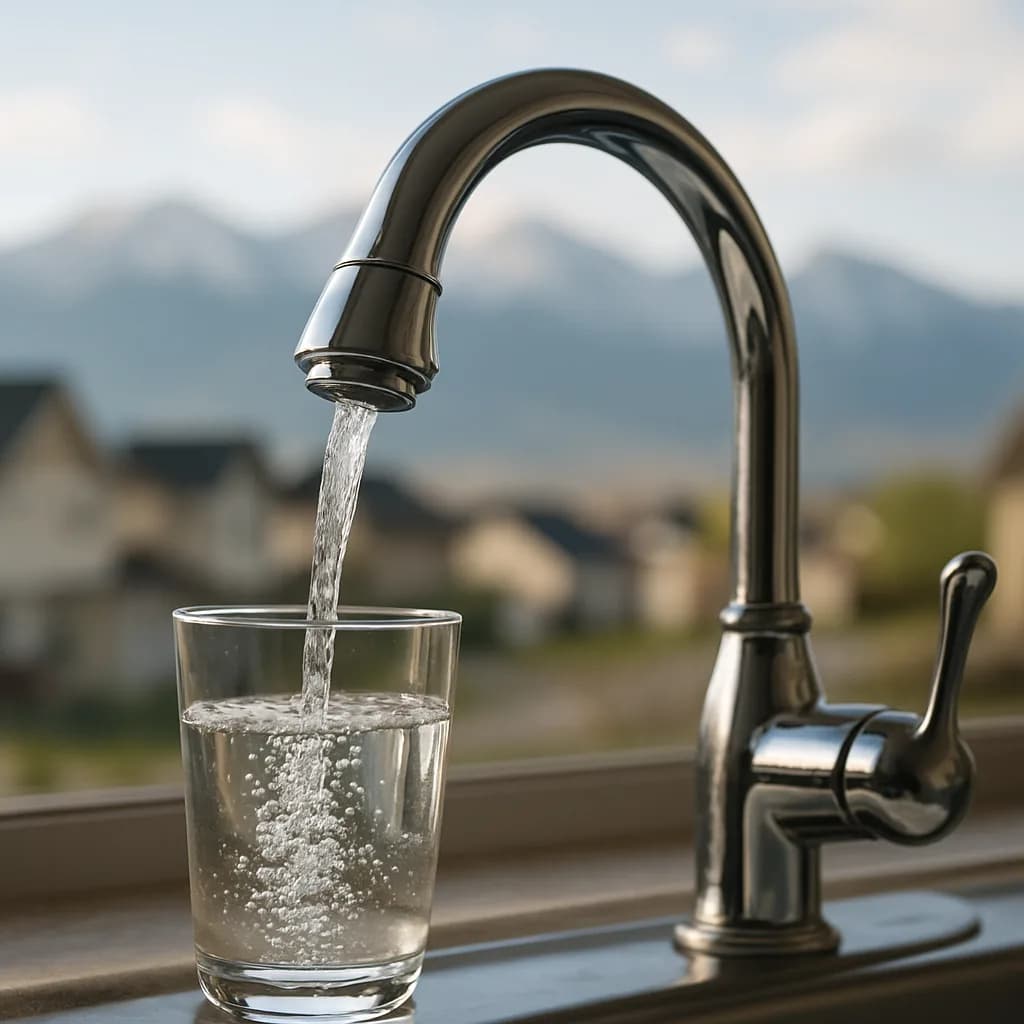
Cheyenne Water System Bacteria Issue: What Residents Need to Know Right Now
The Cheyenne water system bacteria issue has raised serious concerns among residents, city officials, and public health authorities. Whether you've received a boil water notice or are simply trying to understand what's happening with your tap water, this guide breaks down everything you need to know — from the root causes to the steps you should take immediately.
What Is the Cheyenne Water System Bacteria Issue?
In recent months, testing of Cheyenne's municipal water supply revealed the presence of bacterial contamination, including traces of coliform bacteria — a key indicator that harmful pathogens may be present. Coliform bacteria, while not always dangerous on their own, signal that the water treatment process may have been compromised. When total coliform tests return positive, utilities are required by the EPA's Safe Drinking Water Act to investigate further and notify the public.
Cheyenne's water infrastructure, like many systems across the American West, serves a rapidly growing population while dealing with aging pipes, seasonal weather extremes, and increased demand. These factors can create vulnerabilities that allow bacterial intrusion.
What Caused the Contamination?
Several factors may have contributed to the bacterial problem in Cheyenne's water system:
- Aging infrastructure: Older pipes can develop cracks and corrosion that allow bacteria to enter treated water.
- Pressure fluctuations: Drops in water pressure — often caused by main breaks or high-demand periods — can draw contaminants into the distribution system.
- Seasonal flooding and runoff: Wyoming's spring snowmelt can overwhelm filtration systems and introduce surface bacteria into water sources.
- Maintenance gaps: Routine flushing and disinfection protocols, when delayed, can allow bacterial growth in stagnant sections of the pipe network.
The city's Board of Public Utilities has been working to identify affected zones and implement corrective chlorination measures to restore water safety standards.
Health Risks Associated with Bacterial Contamination
Exposure to contaminated drinking water can cause a range of health issues. The most common symptoms include nausea, vomiting, diarrhea, stomach cramps, and low-grade fever. Vulnerable populations — including infants, elderly individuals, pregnant women, and immunocompromised people — face heightened risks and should take extra precautions immediately.
If you or a family member experience any of these symptoms after consuming tap water, contact a healthcare provider right away. Just as athletes train their bodies to perform under pressure, your body's immune system needs support — and clean water is foundational to that. For those who enjoy aquatic recreation, staying informed about water safety extends beyond the tap; if you're planning to visit any local recreational facilities, our Swimming Facility Guide: Everything You Need to Know Before You Dive In offers valuable insights on hygiene and safety standards.
Boil Water Advisory: What You Should Do
If Cheyenne authorities have issued a boil water advisory in your area, follow these steps:
- Boil tap water for at least one full minute before drinking, cooking, or brushing teeth.
- Use bottled water as an alternative if boiling is not practical.
- Avoid using ice made from tap water until the advisory is lifted.
- Do not use water filters as a substitute — most standard filters do not remove bacteria.
- Wash hands frequently with boiled or bottled water, especially before handling food.
Monitor official communications from the City of Cheyenne and Wyoming Department of Environmental Quality (WDEQ) for updates on when the advisory is lifted.
How Cheyenne Officials Are Responding
City utilities crews have increased flushing of water mains, boosted chlorine disinfection levels, and conducted additional rounds of water sampling across affected neighborhoods. Infrastructure upgrades have also been fast-tracked in particularly vulnerable pipeline corridors.
Transparency has been a central part of the city's response. Officials have held public briefings and posted water quality reports online, allowing residents to track contamination data by zone. This kind of proactive communication is essential — much like how legal professionals must keep clients informed during challenging situations, similar to what a Car Accident Lawyer: How to Choose the Right Attorney and Maximize Your Claim would do when navigating complex cases on behalf of their clients.
Long-Term Solutions for Cheyenne's Water Safety
Addressing the bacteria issue requires more than a short-term fix. Long-term investments in Cheyenne's water infrastructure must include:
- Full replacement of aging lead and iron pipe segments
- Real-time water quality monitoring systems
- Expanded emergency response protocols
- Public education campaigns about water safety
Federal infrastructure funding has opened new opportunities for municipalities to modernize water systems, and Cheyenne officials are actively pursuing grants to accelerate these improvements.
Final Thoughts
The Cheyenne water system bacteria issue is a serious public health matter that demands both immediate personal action and long-term civic investment. Stay informed, follow boil water guidelines, and hold local authorities accountable for delivering safe, clean drinking water. Your health — and the health of your community — depends on it.
Share this article
Comments