World Cup Standing: How the Table Works and Why It Matters
World Cup Standing: How the Table Works and Why It Matters
The FIFA World Cup is the most-watched sporting event on the planet, drawing billions of viewers across continents. Yet for casual fans, the standings table can seem confusing at first glance. Why does one team advance over another with the same number of points? What does goal difference actually mean? This guide breaks down everything you need to know about World Cup standings, from group stage basics to the tiebreaker rules that can make or break a nation's dreams.
What Is the World Cup Standing?
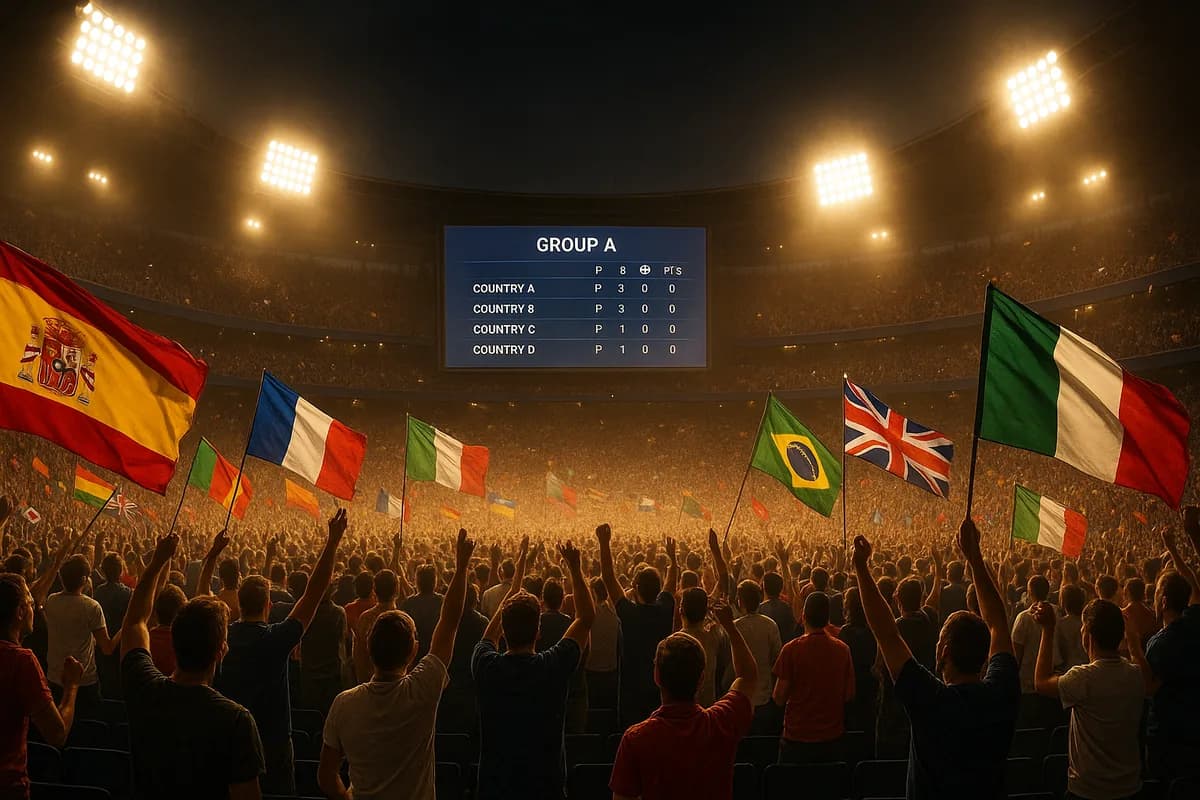
The World Cup standing — also called the group stage table — is a live rankings system used during the tournament's first phase. Each group typically contains four teams, and every team plays three matches. The standing reflects each team's cumulative performance and determines which two teams from each group advance to the knockout rounds.
Standings are updated in real time after every match, creating moments of nail-biting tension when multiple teams are separated by slim margins.
How Points Are Calculated
The FIFA points system is straightforward:
- Win = 3 points
- Draw = 1 point
- Loss = 0 points
This format encourages teams to attack and play for victories rather than settling for draws. A single win early in the group stage can provide crucial breathing room in a tight table.
Understanding Goal Difference
Goal difference (GD) is the first tiebreaker when teams are level on points. It is calculated by subtracting goals conceded from goals scored. A team that wins 4–0 builds a healthier goal difference than one that wins 1–0, which is why dominant performances matter beyond the three points earned.
In thrilling group finales, goal difference has decided which powerhouse nations move forward and which pack their bags early — sometimes separated by a single goal scored in the dying minutes of a simultaneous match.
Full Tiebreaker Rules
When teams finish level on points, FIFA applies the following tiebreakers in order:
- Goal difference in all group matches
- Goals scored in all group matches
- Points in head-to-head matches between tied teams
- Goal difference in head-to-head matches
- Goals scored in head-to-head matches
- Fair play points (yellow and red cards)
- Drawing of lots by FIFA
Fair play points — rarely discussed but critically important — assign negative values to bookings and dismissals. This rule famously came into play at the 2018 World Cup, when Japan advanced over Senegal after both teams finished level through six tiebreakers, with Japan's superior discipline record sealing their spot in the round of 16.
Just as discipline determines outcomes in football, smart strategy shapes success in every competitive arena. Juan Fernando Quintero: The Magician Who Redefined Colombian Football is a perfect example of how tactical intelligence and flair combine to influence tournament outcomes at the highest level.
The Expanded 48-Team Format: What Changes?
Starting with the 2026 World Cup — hosted across the United States, Canada, and Mexico — FIFA will expand the tournament to 48 teams. The group stage shifts to 12 groups of four teams, with the top two from each group and the eight best third-place finishers advancing to a new 32-team knockout phase.
This expansion means the standings become even more nuanced. Third-place finishers will now actively compete for advancement, making every goal and every point count in ways the traditional format never required. Fans following the tournament will need to track not just their own group's standings but monitor comparable results across multiple groups simultaneously.
How to Read a World Cup Standings Table
A typical standings table includes these columns:
| Column | Meaning |
|---|---|
| Pos | Current position in group |
| P | Matches played |
| W | Wins |
| D | Draws |
| L | Losses |
| GF | Goals for (scored) |
| GA | Goals against (conceded) |
| GD | Goal difference |
| Pts | Total points |
Reading a table correctly transforms the viewing experience. Rather than simply watching individual matches, fans can appreciate the strategic calculations coaches and players make in real time.
In today's media landscape, understanding live data like World Cup standings is inseparable from how fans consume sports. The Evolution of News: How We Consume, Share, and Trust Information in the Digital Age explores how real-time digital updates have fundamentally changed audience engagement with live events like the World Cup.
Why World Cup Standings Captivate the World
Beyond statistics, the standings table represents hope, heartbreak, and history. Nations with passionate football cultures track every decimal of goal difference with obsessive devotion. A single late goal can shift a team from third to first in a matter of seconds, turning ordinary Tuesday afternoons into unforgettable moments of collective emotion.
Understanding the standings turns casual viewers into informed fans — and that deeper engagement is precisely what makes the World Cup the greatest show on earth.
Share this article
Comments