Vozinha: The Complete Guide to Cape Verde's Beloved Musical Tradition
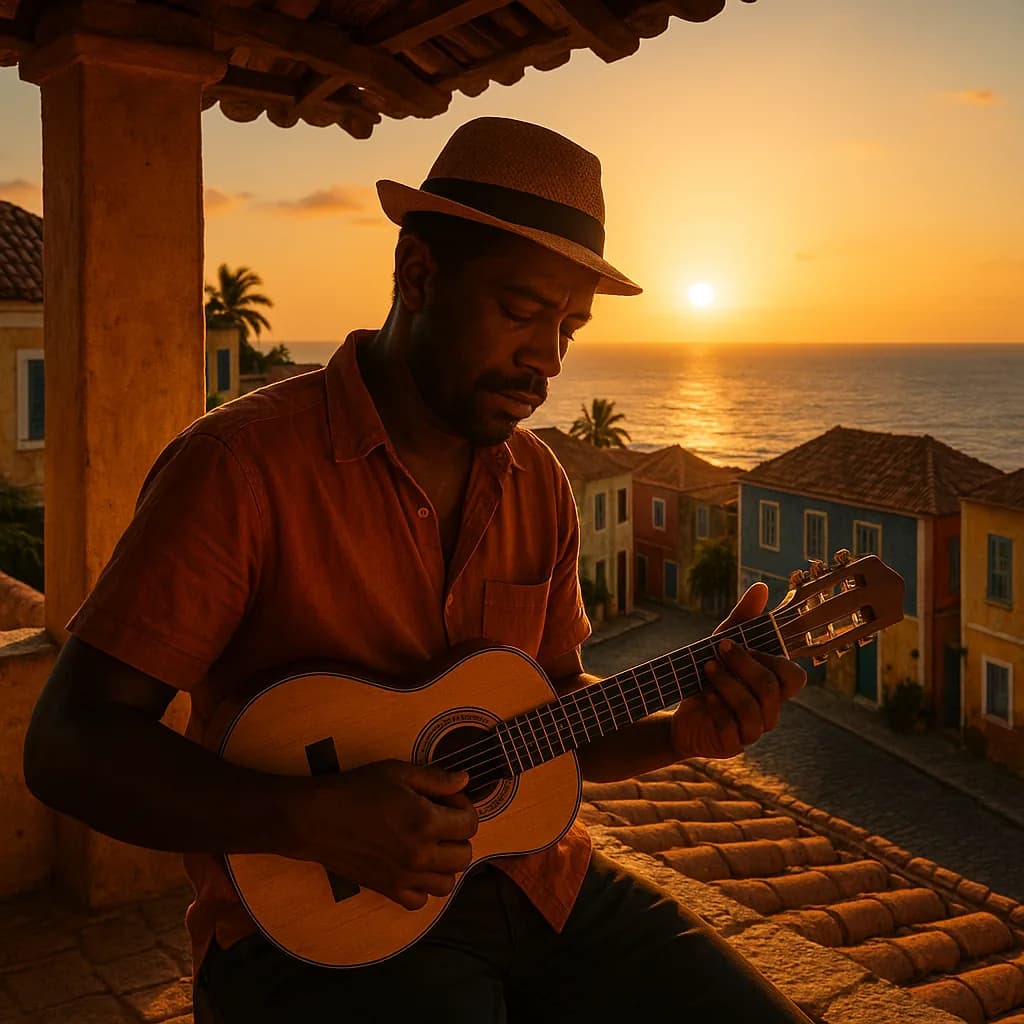
Vozinha: Cape Verde's Soulful Musical Treasure
Deep in the Atlantic Ocean, scattered across ten volcanic islands, the archipelago of Cape Verde has gifted the world one of its most emotionally resonant musical traditions. Vozinha — a term of endearment meaning "little voice" in Cape Verdean Creole — represents far more than a genre. It is the living, breathing cultural soul of an island nation shaped by centuries of migration, longing, and resilience.
What Is Vozinha?
At its core, Vozinha is an intimate style of vocal performance rooted in the broader tradition of morna, Cape Verde's signature music genre. While morna is often compared to Portuguese fado for its melancholic depth, Vozinha carves out its own distinct identity through lighter, more tender vocal arrangements. The term itself reflects the diminutive tenderness Cape Verdeans attach to their musical expressions — a "little voice" that carries enormous emotional weight.
The style is characterized by soft, unhurried melodies, poetic Creole lyrics, and an underlying mood of saudade — a Portuguese-Creole concept of bittersweet longing for people, places, and times lost. Much like how Jude Bellingham: The Generational Talent Redefining Modern Football has redefined what a modern footballer can be, Vozinha redefined what intimate, emotional music could sound like in the African Atlantic world.
The Historical Roots of Vozinha
Cape Verde's musical identity was forged through centuries of Portuguese colonialism, African cultural inheritance, and the island diaspora experience. Vozinha emerged as communities developed their own Creole language — Kriolu — blending Portuguese with West African linguistic influences.
By the 19th and early 20th centuries, morna and its softer vocal interpretations had become the defining soundtrack of Cape Verdean life. Compositions were passed from generation to generation, often performed at intimate family gatherings, community celebrations, and religious festivals.
The islands of São Vicente and Santiago became particularly important cultural incubators, producing poets, composers, and vocalists who elevated Vozinha to an art form celebrated far beyond Cape Verde's shores.
Key Artists Who Defined the Tradition
No exploration of Vozinha is complete without acknowledging the artists who immortalized it:
- Cesária Évora — Known globally as the "Barefoot Diva," Évora brought Cape Verdean morna and its Vozinha sensibility to international stages, winning a Grammy Award in 2004.
- Ildo Lobo — A celebrated vocalist whose emotionally layered performances embodied the Vozinha spirit with extraordinary depth.
- Tito Paris — A contemporary artist who has modernized the tradition while honoring its Creole roots.
- Lura — A younger generation vocalist who fuses Vozinha with Afropop influences, ensuring the tradition's global relevance.
These artists demonstrate that cultural traditions, much like Naomi Osaka: The Champion Who Changed Tennis Forever, can simultaneously honor heritage and break entirely new ground.
The Language of Vozinha: Kriolu and Saudade
One of Vozinha's most distinctive elements is its use of Cape Verdean Creole, a language that itself is a living monument to the islands' complex history. Lyrics explore universal themes — love, departure, the sea, homesickness — through a linguistic framework unique to Cape Verde.
The concept of saudade is inseparable from Vozinha. Unlike simple sadness, saudade describes a deeply human yearning — for a departed loved one, a homeland seen from across the ocean, or a moment in time that can never return. This emotional complexity gives Vozinha its extraordinary resonance with global audiences who may not speak a word of Kriolu but understand every feeling the music conveys.
Vozinha in the Global Context
In today's interconnected world, Vozinha continues to find new audiences. Streaming platforms have introduced Cape Verdean music to listeners across Europe, the Americas, and beyond. The Cape Verdean diaspora — particularly concentrated in Portugal, the Netherlands, and the United States — has been instrumental in keeping the tradition alive and evolving.
Festivals dedicated to lusophone music regularly feature Vozinha artists, and academic institutions across Europe and Africa have begun studying Cape Verdean music as a significant subject within world music and postcolonial studies.
Why Vozinha Matters Today
In an era dominated by digital production and rapidly shifting musical trends, Vozinha stands as a reminder that authenticity and emotional truth are timeless. Its spare arrangements — often just a voice, a cavaquinho (small guitar), and a viola — strip music down to its most powerful elements: human connection and shared feeling.
Vozinha teaches us that a "little voice" can carry the weight of an entire culture's history, its grief, its love, and its enduring hope. For anyone seeking music that genuinely moves the spirit, Cape Verde's beloved tradition offers something rare and irreplaceable.
How to Start Listening to Vozinha
Begin with Cesária Évora's landmark album Miss Perfumado (1992), then explore Ildo Lobo's catalog and contemporary artists like Lura and Mayra Andrade. Streaming services including Spotify and Apple Music feature dedicated Cape Verdean music playlists that provide an excellent gateway into this extraordinary world of sound.
Share this article
Comments