Catherine Herridge: The Investigative Journalist Who Became a First Amendment Icon
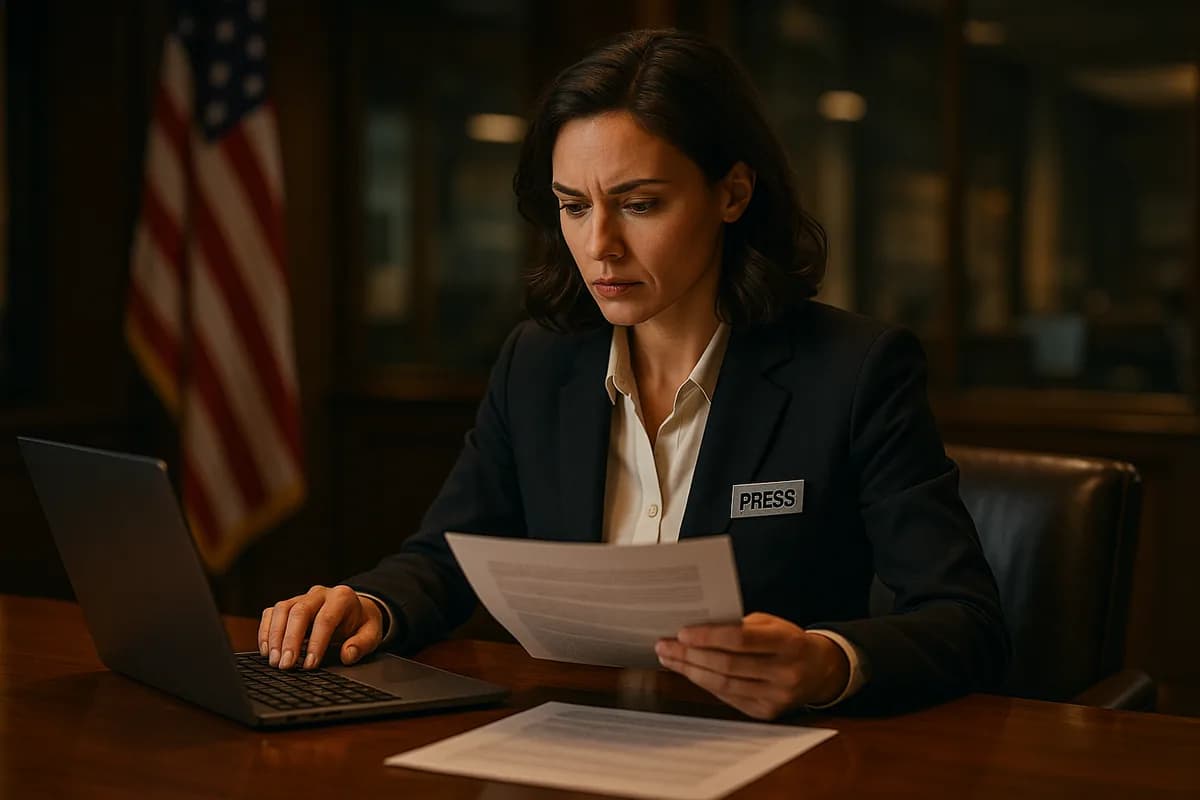
Catherine Herridge: The Investigative Journalist Who Became a First Amendment Icon
Catherine Herridge is one of the most respected investigative journalists in American broadcast history. Known for her meticulous reporting on national security, intelligence, and government accountability, Herridge has spent decades breaking stories that shape public understanding of the most sensitive corners of U.S. policy. Her career — and the legal battles that followed — have made her a symbol of press freedom in the modern era.
Early Life and Education
Born on May 18, 1964, Catherine Herridge grew up with a deep curiosity about the world around her. She pursued her undergraduate studies at Harvard University before earning a master's degree from Columbia University's Graduate School of Journalism — one of the most prestigious programs in the country. This elite academic foundation gave her the research skills and editorial discipline that would define her career.
Rise Through Broadcast Journalism
Herridge began her television journalism career in the early 1990s, cutting her teeth in local news before moving to national networks. She joined Fox News Channel at its launch in 1996, becoming one of the network's founding correspondents. Over more than two decades at Fox, she built a reputation as a dogged reporter who followed facts regardless of political implication.
Her beats — national security, terrorism, intelligence community oversight, and Capitol Hill — placed her at the center of some of America's most consequential news cycles, including coverage of the September 11 attacks, the wars in Afghanistan and Iraq, and investigations into government surveillance programs.
The Move to CBS News
In January 2020, Herridge made headlines by joining CBS News as a senior investigative correspondent. The move was significant — it signaled that her reputation for rigorous, nonpartisan reporting transcended network affiliations. At CBS, she continued investigating stories touching on national security and the intersection of law and government power. Much like the Russia War: Understanding the Conflict, Its Global Impact, and What Comes Next coverage that demands careful sourcing and geopolitical nuance, Herridge's work required layers of verification and deep source cultivation.
The First Amendment Battle That Defined a Generation
In February 2024, Catherine Herridge was laid off by CBS News as part of broader corporate cost-cutting measures. What followed became a landmark moment for press freedom. CBS seized her files — including reporting materials and documents tied to an ongoing federal case involving a Chinese-American scientist — and refused to return them, citing concerns about confidential source protection.
A federal judge subsequently ordered Herridge to reveal her confidential sources related to her reporting on the scientist, Dr. Yanping Chen. Herridge refused, citing journalist privilege and the First Amendment's protection of the press. She was held in civil contempt of court and faced escalating daily fines. Her case drew immediate and widespread support from press freedom organizations, journalists across the political spectrum, and legal scholars.
The case sparked a national conversation about shield laws — statutes that protect journalists from being compelled to reveal confidential sources. Just as high-profile legal disputes in other arenas, such as the Ken Paxton vs. James Talarico: What the Latest Polls Reveal About Texas's Most Watched Race, reveal how deeply personal legal battles can reverberate through public life, Herridge's contempt citation underscored how fragile First Amendment protections can be without federal legislation.
Why Catherine Herridge Matters
Herridge's career illustrates a fundamental truth about investigative journalism: the best reporters build trust with sources over years, often decades. When a journalist is compelled to expose those sources, it doesn't just affect one person — it chills the entire ecosystem of accountability reporting. Whistleblowers go silent. Leaks dry up. Power operates without scrutiny.
Her willingness to face financial penalties rather than betray a source has drawn comparisons to historic press freedom cases. Many legal experts have called for a federal shield law that would provide the same protections that most states already offer to journalists.
Legacy and Impact
Catherine Herridge's legacy is still being written. She has won multiple Emmy Awards and Edward R. Murrow Awards for her reporting. She is the author of The Next Wave, a book examining terrorism in the post-9/11 era. And she remains, even after her CBS departure, one of the most influential figures in American journalism.
In an era where media credibility is constantly questioned and the line between advocacy and reporting is increasingly blurred, Herridge's commitment to source-driven, document-backed investigation stands as a model for the profession. Her story is not just about one journalist — it is about what journalism is supposed to be.
Conclusion
From Harvard hallways to federal courtrooms, Catherine Herridge has never stopped fighting for the truth — or for the structural protections that make truth-telling possible. Her case is a reminder that press freedom is not abstract; it is tested one journalist, one source, and one story at a time.
Share this article
Comments